


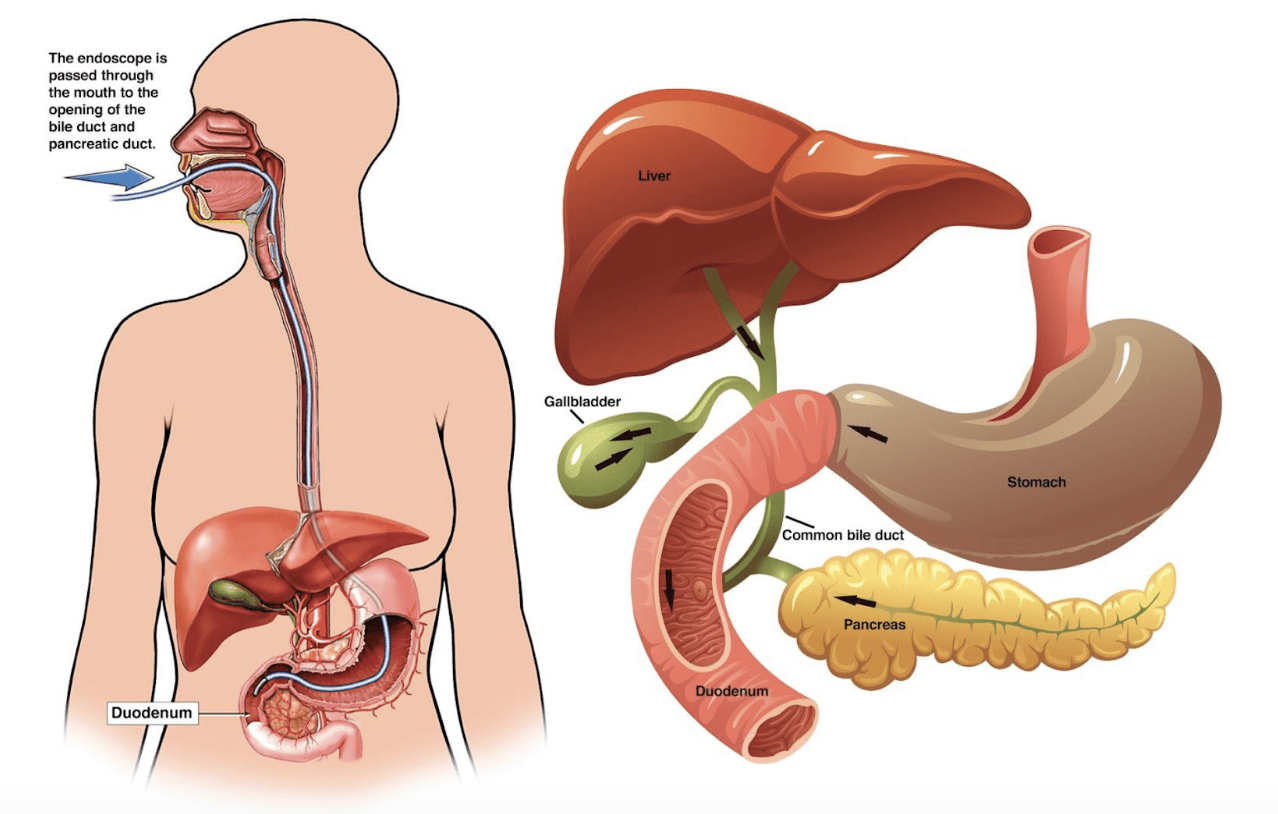
When it comes to diagnosing and treating complex conditions, various diagnostic tools and procedures have emerged to give medical professionals a clear picture of an individual case. One such procedure for treating conditions of the bile ducts and pancreas is endoscopic retrograde cholangiopancreatography. Also known as ERCP, it is a powerful and minimally invasive tool that is believed to save lives.
This procedure is a widely practiced technique that combines the benefits of two different procedures—endoscopy and X-ray to treat many digestive disorders without surgery.
What is Endoscopic Retrograde Cholangiopancreatography?
Endoscopic Retrograde Cholangiopancreatography, or ERCP, is used to diagnose and treat conditions affecting the gallbladder, bile ducts, liver, and pancreas. ERCP is a minimally invasive procedure that combines two different procedures with advanced technologies:
- Endoscopy: It is a nonsurgical procedure providing a direct visualization of your digestive tract using a long, thin, and flexible tube with a light and camera called an endoscope.
- Fluoroscopy: It is an imaging technique that uses X-ray technology to display real-time images and videos on the screen.
Along with these two procedures, ERCP may also include endoscopic ultrasound in some cases to gain an extra view and access to the bile and pancreatic ducts. The procedure can be used to diagnose as well as treat various conditions.
Why Do I Need ERCP?
Your medical provider may suggest an ERCP if you have symptoms that suggest a problem in your biliary system, such as signs of stalled bile flow or bile leakage and unexplained upper abdominal pain or biliary colic.
This procedure is used to diagnose and treat the following conditions:
- Inflammation and possible infection in the bile duct or pancreas
- Narrowing caused as a result of scar tissue
- Gallstone pancreatitis
- Gallstones in the common bile duct
- The presence of cancer or a tumor in the bile duct
- Bile duct leak or other injuries.
The doctor may also recommend this procedure to avoid the need for a major surgery, external drains, or abdominal scars. ERCP is beneficial for patients who have pancreatic cancer that blocks the bile ducts. In this case, ERCP improves their quality of life. Additionally, patients receiving chemotherapy often develop jaundice, and this procedure helps clear it up so that they can go back to their therapy more quickly.
What Happens During ERCP?
ERCP is an outpatient procedure. It means you can return to your home on the same day. It takes 1-2 hours to complete and requires anesthesia through IV. The effects sedate you, and you don’t feel pain or discomfort throughout the procedure. Here’s how it is performed:
- The provider numbs your throat with a liquid anesthetic to reduce pain and discomfort and inserts the endoscope through your mouth.
- The endoscope is guided strategically through your food pipe to the stomach and the top of your small intestines. The camera captures the images and displays them on the screen.
- Using the images/videos, the gastroenterologist locates the opening of the bile and pancreatic ducts and slides a smaller tube through the endoscope catheter until it reaches the opening.
- They inject a contrast dye into the ducts and use fluoroscopy to take real-time video X-rays. The amount of radiation is safe.
- The gastroenterologist checks the images and videos for problems affecting the ducts, such as swelling, obstruction, or leaks.
If any issue is found during the procedure, the gastroenterologist decides what they can do to fix it within the same procedure. This action helps avoid further procedures or surgery.
- They may break up and remove gallstones.
- If any tumor is found, they may remove it or take out tissue samples for biopsy.
- They may dilate or stretch the narrowed ducts to widen them.
- If needful, they may place a stent inside the duct to keep it wide open.
- They may repair a leak or injury in the ducts.
- They may make a small cut into the muscle surrounding the opening of the ducts to open it further. This procedure is called sphincterotomy.
What Happens after ERCP?
After the procedure, the care team will monitor you for some time until the effects of sedation are gone. The professional will ask you to follow the instructions below:
- Do not eat or drink anything until your throat is no longer numb and you can safely swallow the food without choking.
- Do not drive or return to work for the next 24 hours.
- It is normal to feel gassy or bloated for a day after the procedure.
- It is normal to have throat irritation, soreness, or hoarseness after the procedure.
- If the procedure included the removal of gallstones or insertion of a stent, you may have to stay in the hospital overnight.
- Get in touch with the gastroenterologist if you experience fever, abdominal pain, chest pain, or rectal bleeding for a few days after the procedure.
Takeaway
ERCP is a diagnostic and therapeutic procedure that saves you from surgery and treats the condition of your bile or pancreatic ducts. While it may be a little more invasive than a standard imaging test, it is less painful than a surgical procedure and accomplishes both purposes in one.