

Quick Answer
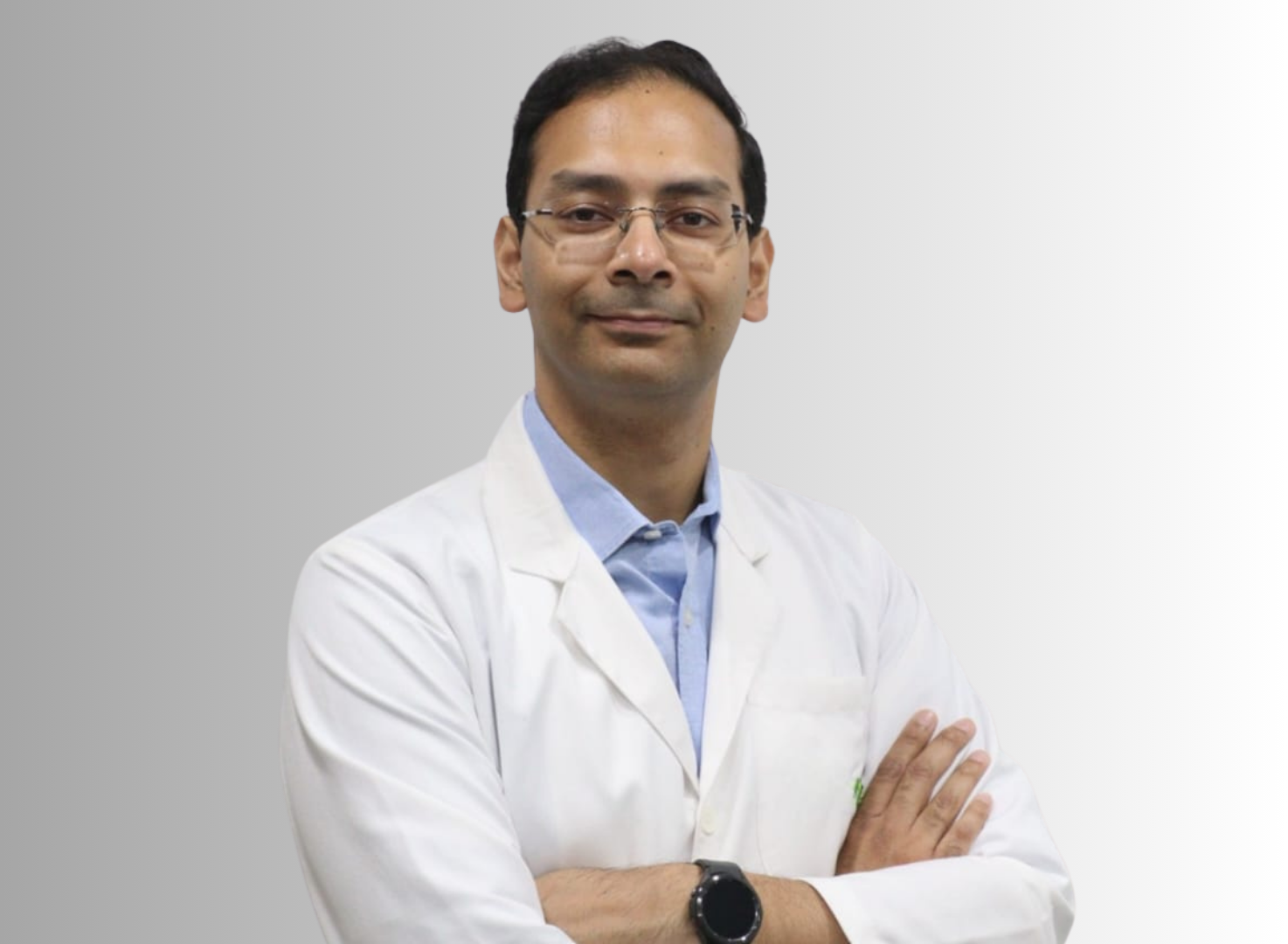
The pancreas sits deep in the abdomen and produces digestive enzymes and insulin. Its diseases — pancreatitis, stones, cysts, tumours — are best assessed by a gastroenterologist with expertise in EUS and ERCP. Dr. Anando Sengupta performs both at Fortis Shalimar Bagh and provides full pancreatic care.
Common pancreatic conditions managed
- Acute and chronic pancreatitis
- Pancreatic stones (chronic calcific pancreatitis)
- Pancreatic pseudocyst & walled-off pancreatic necrosis (WOPN)
- IPMN (intraductal papillary mucinous neoplasm)
- Mucinous & serous cystadenomas
- Solid pseudopapillary tumour
- Pancreatic neuroendocrine tumours
- Pancreatic adenocarcinoma (with multidisciplinary team)
- Pancreatic insufficiency (steatorrhea, weight loss)
- Type 3c diabetes (pancreatogenic diabetes)
Diagnostic capabilities
| Test | Role |
|---|---|
| Amylase, lipase, glucose, CA 19-9 | Acute injury & tumour markers |
| Ultrasound | Initial screening |
| CT pancreas protocol (triphasic) | Inflammation, necrosis, masses, vascular involvement |
| MRI / MRCP | Pancreatic duct anatomy, cysts, biliary tree |
| EUS & EUS-FNA / FNB | High-resolution pancreatic imaging + tissue diagnosis |
| ERCP | Therapeutic — stones, strictures, drainage |
| Faecal elastase | Pancreatic exocrine insufficiency |
Treatments offered
- ERCP-guided pancreatic stone removal & stenting
- EUS-guided pseudocyst drainage
- EUS-FNA / FNB for cytology & core biopsy
- EUS-guided coeliac plexus block for chronic pancreatitis pain
- Pancreatic enzyme replacement therapy (PERT)
- Diabetes & nutrition management in chronic pancreatitis
- Coordination with surgical gastroenterology and medical oncology
Frequently Asked Questions
A pancreas specialist (pancreatologist within gastroenterology) manages acute & chronic pancreatitis, pancreatic stones, pseudocysts, IPMNs and other pancreatic cysts, pancreatic neuroendocrine tumours, and pancreatic adenocarcinoma in coordination with surgical and oncology teams.
Severe upper abdominal pain radiating to the back, persistent nausea/vomiting, unexplained weight loss, oily floating stools (steatorrhea), new-onset diabetes after age 50 with weight loss, or jaundice without gallstones — all warrant pancreatic evaluation.
Blood tests (amylase, lipase, glucose, CA 19-9), ultrasound, CT pancreas protocol, MRI/MRCP, and especially endoscopic ultrasound (EUS) for high-resolution imaging plus FNA biopsy where needed.
Some are entirely benign (simple serous cysts), others (mucinous cystadenomas, IPMN with high-risk features) can progress to cancer. EUS-FNA helps characterise them. Surveillance or surgery is decided based on size, type and symptoms.
Acute pancreatitis typically resolves with supportive care; recurrence is prevented by treating the cause (gallstones, alcohol). Chronic pancreatitis cannot be reversed but pain, malabsorption and diabetes can be controlled.
EUS combines endoscopy with ultrasound, placing the probe within millimetres of the pancreas. It detects small lesions missed on CT, evaluates vascular involvement of tumours, and allows fine-needle aspiration biopsy with high accuracy.
Yes. Dr. Anando Sengupta consults at North Delhi Nursing Home, Ashok Vihar Phase II (Mon–Sat, 5:30–7:30 PM) — within easy reach of Model Town (3 km), GTB Nagar, Mukherjee Nagar, Wazirpur and Shastri Nagar. Morning slots and procedures (endoscopy, colonoscopy, ERCP, EUS) are at Fortis Hospital, Shalimar Bagh (~3 km from Pitampura, with cashless insurance on all major panels). Both clinics serve patients from across North Delhi.