

Quick Answer
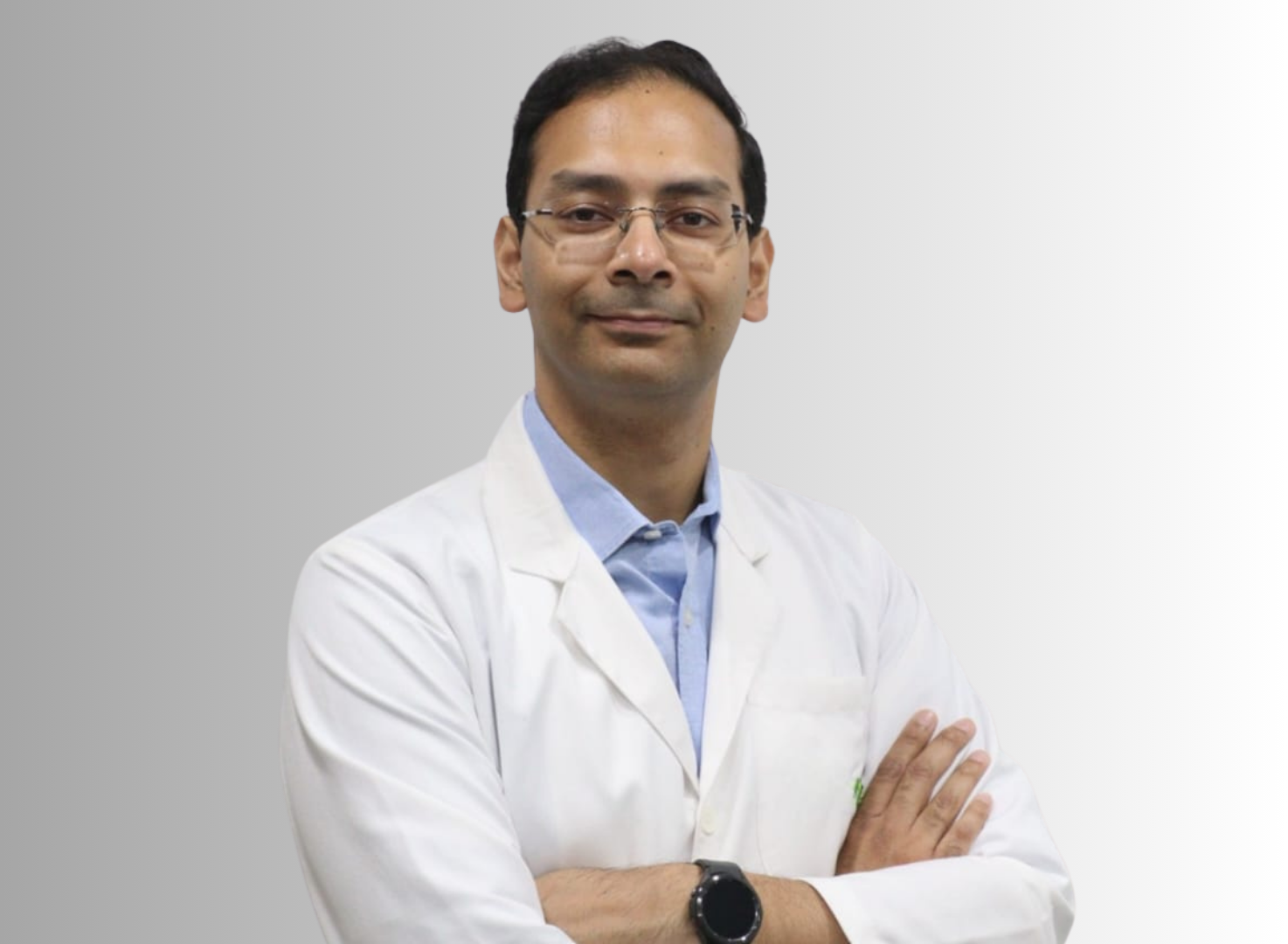
IBD (inflammatory bowel disease) is a chronic immune-mediated inflammation of the gut that includes ulcerative colitis and Crohn's disease. It causes diarrhoea, blood in stool, weight loss and abdominal pain. Dr. Anando Sengupta manages IBD with colonoscopic assessment, 5-ASA drugs, immunomodulators and biologic therapy — aiming for clinical and endoscopic remission with regular surveillance.
Ulcerative Colitis vs Crohn's Disease
| Ulcerative colitis | Crohn's disease | |
|---|---|---|
| Area affected | Colon & rectum only | Anywhere from mouth to anus, often terminal ileum |
| Pattern | Continuous inflammation, mucosal layer | Patchy "skip" lesions, full thickness |
| Symptoms | Bloody diarrhoea, urgency, tenesmus | Abdominal pain, diarrhoea, weight loss, perianal disease |
| Complications | Toxic megacolon, colon cancer | Strictures, fistulas, abscess, malnutrition |
| Surgery | Colectomy is curative | Surgery for complications, not curative |
Symptoms of IBD
- Persistent diarrhoea (more than 4 weeks)
- Blood or mucus in stool
- Cramping abdominal pain, often after meals
- Unintentional weight loss
- Fatigue, breathlessness from anaemia
- Low-grade fever
- Mouth ulcers, joint pain, skin rashes, red painful eyes (extra-intestinal)
- Perianal pain, fissures or fistulas (Crohn's)
Urgent: high fever, severe abdominal distension, more than 6 bloody stools/day, dizziness or fainting need emergency assessment for severe colitis.
How IBD is diagnosed
| Test | What it tells us |
|---|---|
| Blood tests (CBC, CRP, ESR, iron, B12, albumin) | Inflammation, anaemia, nutritional deficits |
| Stool calprotectin | Best non-invasive marker of gut inflammation |
| Stool culture, C. difficile, ova/cyst | Exclude infection mimicking IBD |
| Colonoscopy with ileoscopy + biopsies | Gold standard — extent, severity, histology |
| MR enterography / CT enterography | Small bowel disease, strictures, fistulas (Crohn's) |
| Capsule endoscopy | Small bowel mucosal disease |
Treatment options
Induction (settling acute flare)
- 5-ASA drugs (mesalamine) — first-line for mild-moderate ulcerative colitis
- Corticosteroids (oral prednisolone, IV hydrocortisone, budesonide) — short-term, never as maintenance
- Biologics — anti-TNF (infliximab, adalimumab), anti-integrin (vedolizumab), anti-interleukin (ustekinumab) for moderate-to-severe disease
- JAK inhibitors (tofacitinib, upadacitinib) — oral small molecules
Maintenance (keeping remission)
- Long-term 5-ASA for UC
- Azathioprine or 6-mercaptopurine
- Continued biologic / JAK inhibitor
- Periodic colonoscopy to confirm endoscopic remission
Diet & lifestyle
- No single "IBD diet" works for everyone, but a low-residue diet during flares helps reduce stool frequency
- Adequate protein (1.2–1.5 g/kg/day) and iron, vitamin D, B12, calcium correction
- Stop smoking (especially in Crohn's)
- Vaccinate against influenza, pneumococcus, hepatitis B, HPV before starting biologics
Why patients with IBD choose Dr. Sengupta
- Personal management of biologic induction and maintenance with insurance facilitation
- Colonoscopic surveillance & chromoendoscopy to detect early dysplasia
- Long-term WhatsApp / teleconsult support — flare assessment without delay
- Coordinated care with rheumatology (joint disease), dermatology (skin disease) and surgery
Frequently Asked Questions
Inflammatory bowel disease (IBD) is a long-term immune-mediated condition that causes inflammation of the intestine. It includes ulcerative colitis (which involves only the colon and rectum) and Crohn's disease (which can involve any part of the gut, from mouth to anus).
IBS is a functional disorder with no inflammation or structural damage. IBD is a true inflammatory disease that causes ulcers, bleeding, weight loss, anaemia and can lead to complications like strictures, fistulas and increased cancer risk if untreated. Read more on our IBS vs IBD page.
Diagnosis combines symptoms, blood tests (CBC, CRP, ESR, iron, B12), stool calprotectin, colonoscopy with multiple biopsies, and where needed, MR enterography or capsule endoscopy.
IBD cannot be cured permanently, but with modern therapy — including biologics like infliximab, adalimumab, vedolizumab and ustekinumab — long-term clinical and endoscopic remission is achievable in the majority of patients. The goal is "deep remission" with mucosal healing.
Modern medical therapy has reduced the need for surgery, but it remains a vital option in severe ulcerative colitis (colectomy is curative for UC), Crohn's strictures, fistulas, abscess and perforation.
Long-standing IBD (especially ulcerative colitis) increases colorectal cancer risk. Surveillance colonoscopy every 1–3 years after 8–10 years of disease is recommended.
Biologics are highly targeted antibodies that block specific inflammation pathways (TNF, integrins, interleukins). They are given by infusion or injection at fixed intervals. Biosimilar versions are now available in India and a typical induction regimen costs ₹40,000–₹1,20,000 depending on the drug.
Yes. Dr. Anando Sengupta consults at North Delhi Nursing Home, Ashok Vihar Phase II (Mon–Sat, 5:30–7:30 PM) — within easy reach of Model Town (3 km), GTB Nagar, Mukherjee Nagar, Wazirpur and Shastri Nagar. Morning slots and procedures (endoscopy, colonoscopy, ERCP, EUS) are at Fortis Hospital, Shalimar Bagh (~3 km from Pitampura, with cashless insurance on all major panels). Both clinics serve patients from across North Delhi.