

Quick Answer
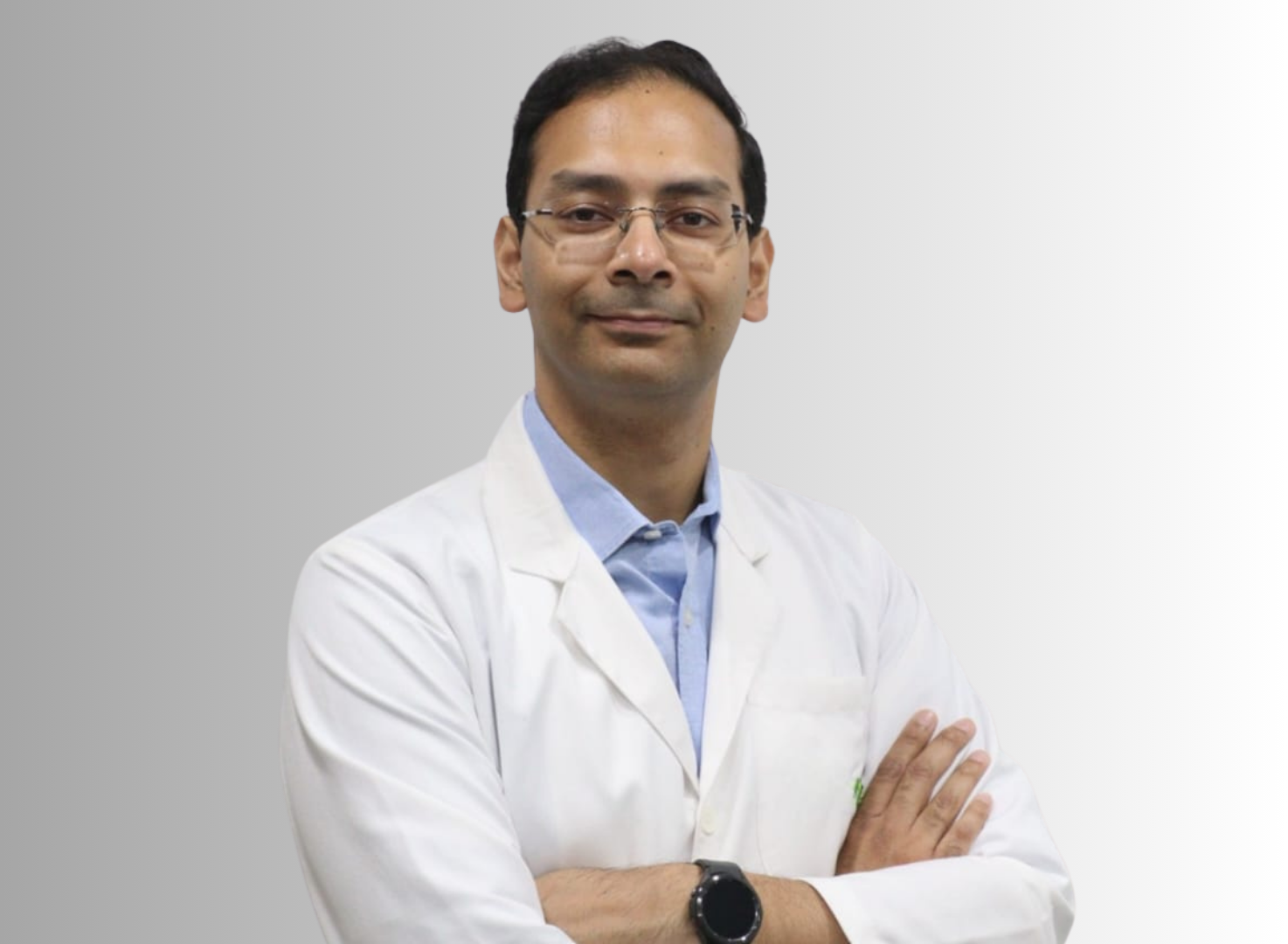
Hepatitis means liver inflammation, most often caused by hepatitis viruses A, B, C and E. Dr. Anando Sengupta diagnoses and treats all forms of viral hepatitis with up-to-date antiviral regimens at Ashok Vihar & Fortis Shalimar Bagh. Hepatitis C cure rates exceed 95%; hepatitis B is fully controllable with daily oral therapy.
The five hepatitis viruses
| Virus | Spread | Acute / Chronic | Treatment |
|---|---|---|---|
| Hepatitis A | Contaminated water/food | Acute only | Supportive; vaccine available |
| Hepatitis B | Blood, sexual, mother-to-child | Both; chronic in 5–10% of adults | Entecavir or tenofovir; vaccine available |
| Hepatitis C | Blood, unsafe injections | Chronic in 75% | DAAs (sofosbuvir + velpatasvir 12 weeks) — >95% cure |
| Hepatitis D | Co-infection with B | Chronic | Pegylated interferon, bulevirtide |
| Hepatitis E | Contaminated water | Acute (chronic in immunosuppressed) | Supportive; severe in pregnancy |
Symptoms
- Yellow eyes / skin (jaundice)
- Fatigue, weakness
- Loss of appetite, nausea, vomiting
- Right-upper-abdomen discomfort
- Dark urine, pale stool
- Joint pain, low-grade fever (acute hepatitis)
- Itching (more in cholestatic hepatitis)
- Many chronic hepatitis B / C patients have no symptoms until cirrhosis develops — routine screening is important
Diagnosis
| Test | What it shows |
|---|---|
| LFT, INR | Liver injury & function |
| Hepatitis A IgM | Acute hepatitis A |
| HBsAg, anti-HBc, HBeAg, HBV DNA | Hepatitis B status & activity |
| Anti-HCV, HCV RNA, genotype | Hepatitis C diagnosis & treatment planning |
| HEV IgM/IgG | Hepatitis E |
| Anti-HDV (in HBsAg-positive) | Hepatitis D coinfection |
| FibroScan, ultrasound, AFP | Fibrosis & HCC surveillance |
Treatment
Hepatitis A & E
Supportive care — rest, hydration, avoidance of alcohol and unnecessary drugs. Most cases recover fully within 4–6 weeks. Hospital admission needed if severe vomiting, dehydration, encephalopathy or pregnancy.
Hepatitis B
- First-line oral antivirals: entecavir or tenofovir
- Treatment is generally lifelong but suppresses the virus and prevents progression
- Family screening and hepatitis B vaccination of close contacts
- Pregnancy: tenofovir is safe and reduces mother-to-child transmission
- HCC surveillance every 6 months in cirrhosis or selected non-cirrhotic patients
Hepatitis C
- Direct-acting antivirals (DAAs): pan-genotypic sofosbuvir + velpatasvir for 12 weeks
- Cure rate (sustained virological response) over 95%
- Treatment is oral, well tolerated, suitable for nearly all patients including those with cirrhosis
Vaccination
- Hepatitis A vaccine — 2 doses, recommended for all children and at-risk adults
- Hepatitis B vaccine — 3 doses, given to all infants & high-risk adults; family contacts of HBsAg-positive patients
Frequently Asked Questions
Hepatitis B is rarely "cured" in the strict sense, but it is fully suppressible with daily oral antivirals (entecavir or tenofovir). On therapy, the virus stops multiplying and the risk of cirrhosis and liver cancer drops dramatically.
Yes — in over 95% of patients with 8–12 weeks of oral direct-acting antivirals (sofosbuvir + velpatasvir / daclatasvir). The treatment is well tolerated and does not require interferon injections any more.
Not always. Many people are inactive carriers and need only periodic monitoring. Treatment is recommended when the virus is actively multiplying (HBV DNA elevated), liver enzymes are abnormal, or fibrosis is significant.
Hepatitis A and E spread through contaminated food and water. Hepatitis B and C spread through blood (unsafe injections, tattoos, transfusions before screening, mother-to-child) and unprotected sex. Hepatitis B can also spread through household contact with shared toothbrushes or razors.
Yes. Hepatitis A and B have safe, effective vaccines. Hepatitis E prevention relies on safe water and food. Hepatitis C currently has no vaccine but can be cured if acquired.
Hepatitis B and C: every 6 months — LFT, HBV DNA / HCV RNA, FibroScan annually, ultrasound + AFP for cancer surveillance.
Yes. Dr. Anando Sengupta consults at North Delhi Nursing Home, Ashok Vihar Phase II (Mon–Sat, 5:30–7:30 PM) — within easy reach of Model Town (3 km), GTB Nagar, Mukherjee Nagar, Wazirpur and Shastri Nagar. Morning slots and procedures (endoscopy, colonoscopy, ERCP, EUS) are at Fortis Hospital, Shalimar Bagh (~3 km from Pitampura, with cashless insurance on all major panels). Both clinics serve patients from across North Delhi.